Persuasion Fit Persuasion Fit: Why Cialdini's Principles Work in the Wrong Order Persuasion Fit maps Cialdini's influence principles to buyer journey stages. The right principle in the wrong stage works against you. Here's the mapping and what SEMalytics checks for.
Copy Quality Copy Quality: What SEMalytics Actually Checks (And Why Grammar Is the Least Important Part) Copy Quality measures grammar, sentence rhythm, reading grade level, and AI fingerprint density. Here's what each sub-component checks, why AI writing fails Copy Quality even when it's error-free, and what to fix first.
Framing Strategy Framing Strategy: Why the Same Offer Lands Differently Depending on How You Frame the Problem Prevention-focused buyers and promotion-focused buyers respond to different frames. SEMalytics Framing Strategy scores which cognitive frame your content uses and whether it matches the buyer's mode.
Strategic Clarity The Clarity Problem: Why B2B Copy Fails to State Its Own Value Proposition Most B2B copy fails to state its own value proposition. SEMalytics Strategic Clarity checks three things: whether the benefit is explicit, the differentiation is named, and the CTA is earned.
Engagement The Engagement Gap: Why Good Copy Flatlines Before the Argument Lands Engagement is not writing quality. It's psychological activation. SEMalytics measures four signals that predict whether content creates the conditions for attention before the argument lands.
AEO Readiness Is Your Content Getting Cited by AI? What AEO Readiness Actually Measures AEO Readiness measures whether your content is structured to be cited by Perplexity, ChatGPT, and Gemini. Here is what the pre-publish check actually looks at.
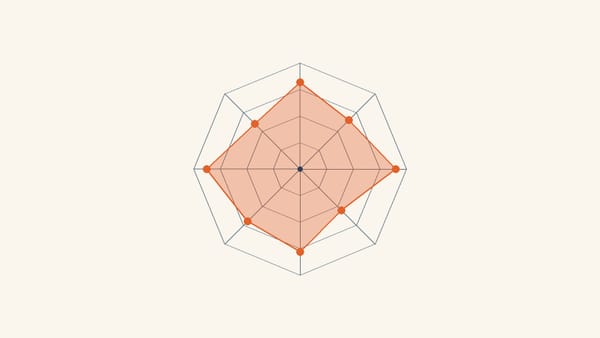
COS What SEMalytics Actually Scores: 8 Dimensions, One Check Before You Publish SEMalytics scores content across 8 dimensions grounded in 860+ peer-reviewed papers. Here's what each dimension measures and why it predicts whether your content works.
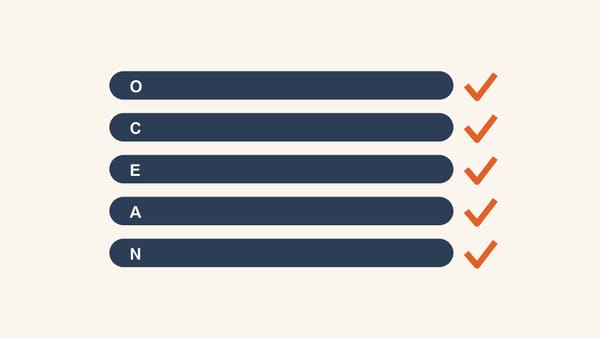
OCEAN The OCEAN Copy Checklist: Five Structural Changes for Five Buyer Types One structural change per OCEAN dimension. What to check in B2B copy before it goes out, and what each dimension costs you if it's wrong.
Extraversion The Extraversion Default: Why Most B2B Copy Talks Like a Conference Most B2B copy is written by extraverts, for extraverts. That works on your champion. It creates friction with your introverted technical evaluator. Three structural fixes.
Agreeableness The Agreeableness Problem: Why Polite B2B Replies Don't Convert A 12% reply rate looks like a win. The problem is which buyers are replying. High-Agreeableness buyers respond warmly and don't convert. Here's why and how to fix the sequencing.
Conscientiousness The Conscientiousness Gap: Why B2B Copy Fails at the Evaluation Stage B2B deals stall at procurement because the evaluator found nothing to verify in your materials. Strong demo, dead deal. That's a copy problem, not a sales problem.
B2B Copy The Copy Audit B2B Teams Skip Most B2B copy audits check grammar, brand voice, and A/B test results. The audit that predicts conversion (personality alignment) almost never gets run.
AEO Series Can Content Tools Really Predict Customer Segment Response? Realistic Capabilities What can AI content tools really predict about customer behavior? Trait-match probability, not individual decisions. Actuarial, not oracular.
Research-Backed How to Verify a Marketing Tool's Research-Backed Claims (And Why Most Aren't What They Claim) Every AI copy tool says it is research-backed. Almost none of them tell you which research. Here is the three-part test for separating tools that have evidence from tools that have PDFs in a folder. What "Research-Backed" Actually Requires "Research-backed" is a marketing claim, not a
Psychology Copywriting Psychology-Based Copywriting: What It Actually Means, What It Requires, and How to Test Any Tool That Claims It "Psychology-based copywriting" is currently a phrase owned by tools that have no psychology in them. They use the words. They do not have the citations. Here is what it means. Psychology-based copywriting is the practice of applying validated behavioral science frameworks to copy creation and evaluation. It requires
Enterprise Marketing Why Some Marketing Copy Resonates With Enterprise Clients While Other Messages Fall Flat Enterprise buyers filter B2B copy through specific psychological frameworks. Here is what separates copy that lands from copy that gets ignored.
OCEAN Model OCEAN Personality Scoring vs. Readability and Tone Analysis: What's the Actual Difference? OCEAN scoring, readability tools, and tone analysis each measure different things. Learn what each one actually tells you and when to use it.
Psychology Copywriting Psychology-Backed Copy Optimization vs. Gut Feeling: Research Evidence That Actually Works Your copy fails because you write to yourself. Gut feel cannot detect trait variance. Here is what psychology-grounded copy optimization actually does.
Buyer Psychology How to Tell If Your Marketing Copy Resonates With Target Personality Types: 3 Diagnostic Signals The email campaign hit a 38% open rate. The sales team was optimistic. The metrics looked like traction. Then nothing happened. A handful of reply emails came in — curious, engaged, complimentary — from individual contributors at companies too small to close, or from roles that would never hold budget. A few
Brand Voice Can AI Copy Actually Match Your Brand Voice and Tone? What Marketing Teams Need to Know A SaaS customer messages support on a Tuesday morning. They've lost three days of data. Their brand voice document — the one the marketing team wrote two years ago — says the brand is "friendly, approachable, and helpful." The support engineer drafts a reply. It's friendly.
B2B Psychology-Based Copywriting vs. A/B Testing: Why They're Not Mutually Exclusive A/B testing tells you which copy won. Psychology-based copywriting tells you why. Here is how to use both together to improve B2B results.
Brand Voice 5 Signals That Tell You Your Ad Copy Has Personality Drift Ad copy fails in two ways: the obvious way (bad offer, wrong channel, weak CTA) and the invisible way. The invisible way is personality drift — copy that has regressed toward generic professional language without anyone noticing, because each individual edit seemed fine at the time. The Ad Copy Analyzer was
B2B Do AI Copywriting Tools Actually Work for B2B? What Marketing Teams Need to Know The short answer is yes — with a qualification that most vendor marketing skips over. AI copywriting tools work for B2B. They also fail at B2B in a specific, predictable way that e-commerce and social media teams don't encounter. Understanding which failure mode you're walking into is
Buyer Psychology Loss Aversion vs Gain Framing in B2B Copy: The Psychology Behind Which Email Gets Opened The subject line read: "3 ways to grow pipeline by 40% this quarter." It landed in 50,000 B2B inboxes. Open rate: 14%. A second version ran the same week: "What's keeping your pipeline from hitting plan this quarter." Open rate: 22%. Same product.
Brand Voice The Personality Drift Problem: Why AI Copy Gets Blander the More You Scale It Six months into AI-assisted copy generation, most marketing teams notice the same thing: the output doesn't feel like them anymore. The outputs are technically correct. Grammatically clean. Professionally toned. The message architecture is there. But something specific has gone out of the copy. The sentences that used to