Your Ad Platform Now Rewrites Your Copy by Default
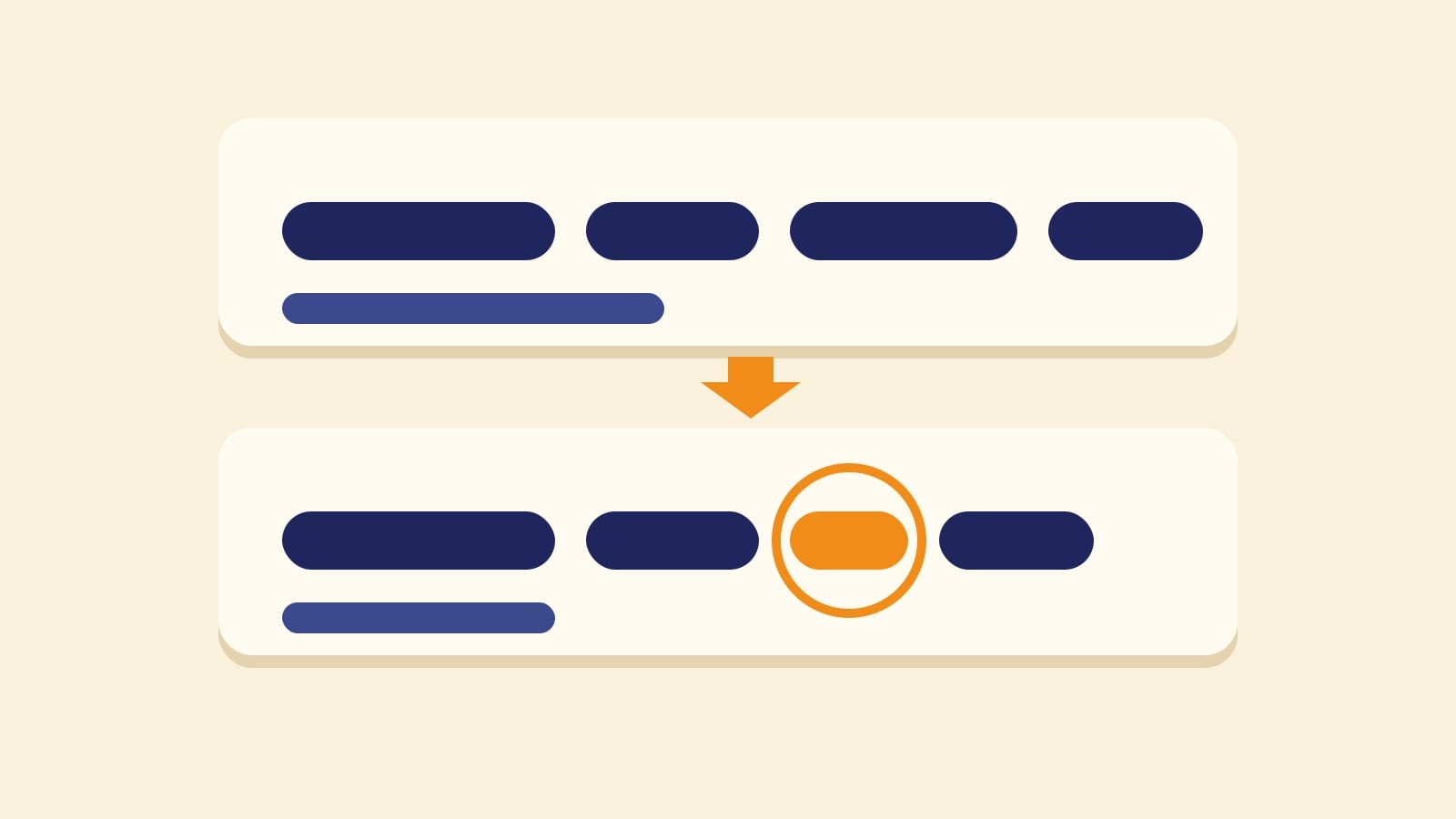
Suppose an ad says "7-day free trial, no card required," and a shortened version drops the last part. Someone clicks and finds a sign-up page that asks for a card.
Since October 30, ChatGPT Ads can run a version like that without your review. Creative enhancements are on by default for new and existing self-serve campaigns. OpenAI's help page says the system "may create new or updated text," may translate your ad, may resize your images, and may change the destination URL. Versions "can run automatically without requiring you to review or approve each version," and you do not get a preview of every one.
Google has a related change in Search. Its help page says that starting in September 2026, campaigns using text customization (formerly automatically created assets) are upgraded to AI Max, and that you opt in to AI Max to use the feature. Google does let you preview generated text before you opt in.
How to turn it off in ChatGPT Ads
Open Ads Manager and select Manage settings. There is an account-level setting and a campaign-level one, and the campaign setting takes priority. Existing account and campaign opt-outs were preserved. Other campaigns default to on.
Where a rewrite can go wrong
Watch for reworded guarantees or limits, rounded or dropped figures, and destination URLs that no longer match what the headline promised. OpenAI does not document any of these. They are the spots where a wrong word costs the most. OpenAI's page also does not say Ads Manager reports enhanced versions separately from your originals, so you may not be able to tell which version got the click.
Score the version that actually runs
Paste your original headline and the platform's version into SEMalytics. You see how each scores and what to fix before it reaches anyone.
Start Free Trial Free AnalysisWhat to check before you leave it on
Turn it off on campaigns where the wording is exact: pricing, guarantees, anything a lawyer reads. Test it on low-stakes prospecting.
For every campaign you leave on, read the versions you can see next to your originals and ask:
- Is the claim the same?
- Are the numbers the same?
- Does it still sound like you?
- Does the headline match the page it lands on?
It also helps to write down the date you changed the setting. OpenAI's page says changes over time "do not, on their own, establish the effect of creative enhancements," so a shift in click-through needs something to be traced to.
AI gives you a first draft. SEMalytics shows what to fix before you publish.